Fine lines can make you look more tired than you feel. Dullness, crepey texture beneath the eyes, acne scarring, and a loss of skin firmness can also affect confidence, even when you are taking good care of yourself. PRP facial rejuvenation is a regenerative aesthetic treatment designed to work with your body’s own healing signals, supporting healthier-looking skin with a natural, gradual approach.
For patients who want refreshed skin without dramatically changing their features, PRP can be a meaningful part of a personalized aesthetic plan. The right treatment depends on your skin quality, goals, medical history, and willingness to commit to a series when recommended.
What Is PRP Facial Rejuvenation?
PRP stands for platelet-rich plasma. Platelets are components of your blood that help support the body’s normal healing response. During treatment, a small amount of blood is drawn and placed in a centrifuge. This separates the platelet-rich plasma from other blood components so it can be prepared for use on the skin.
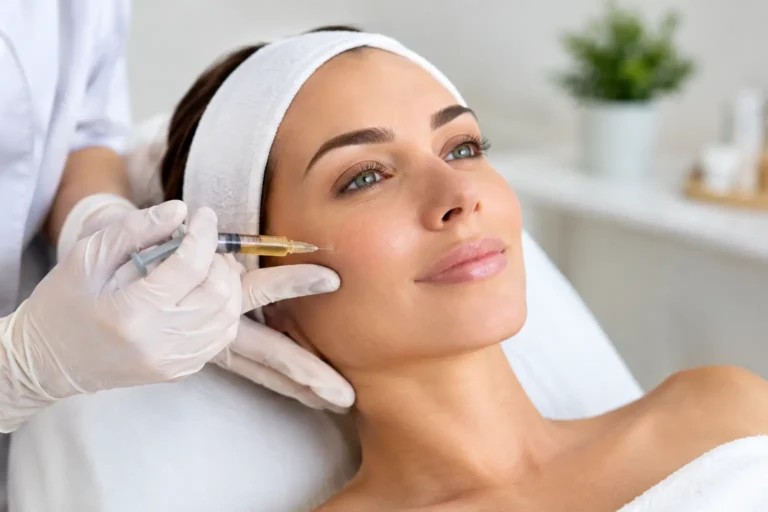
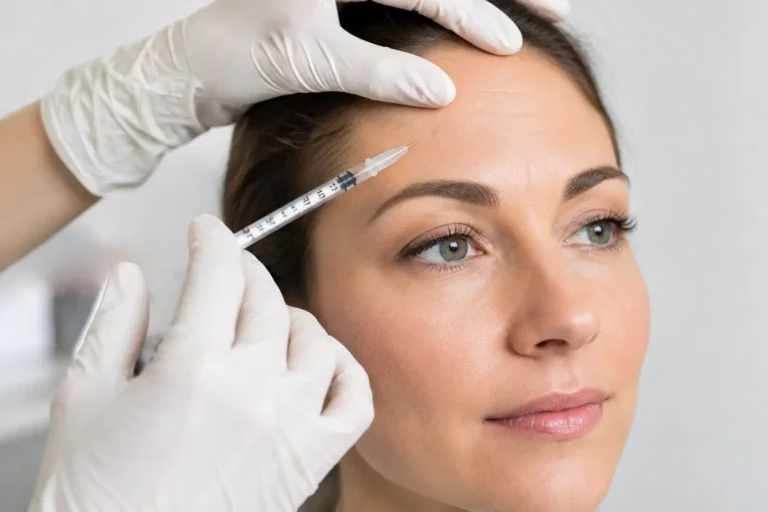
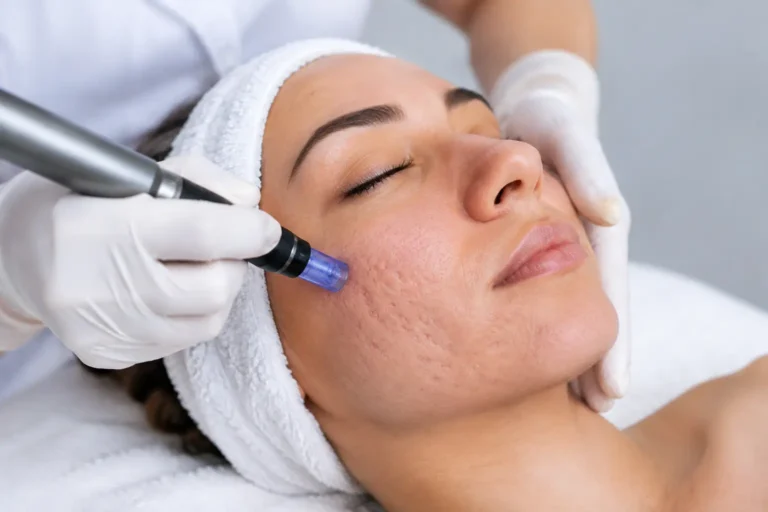
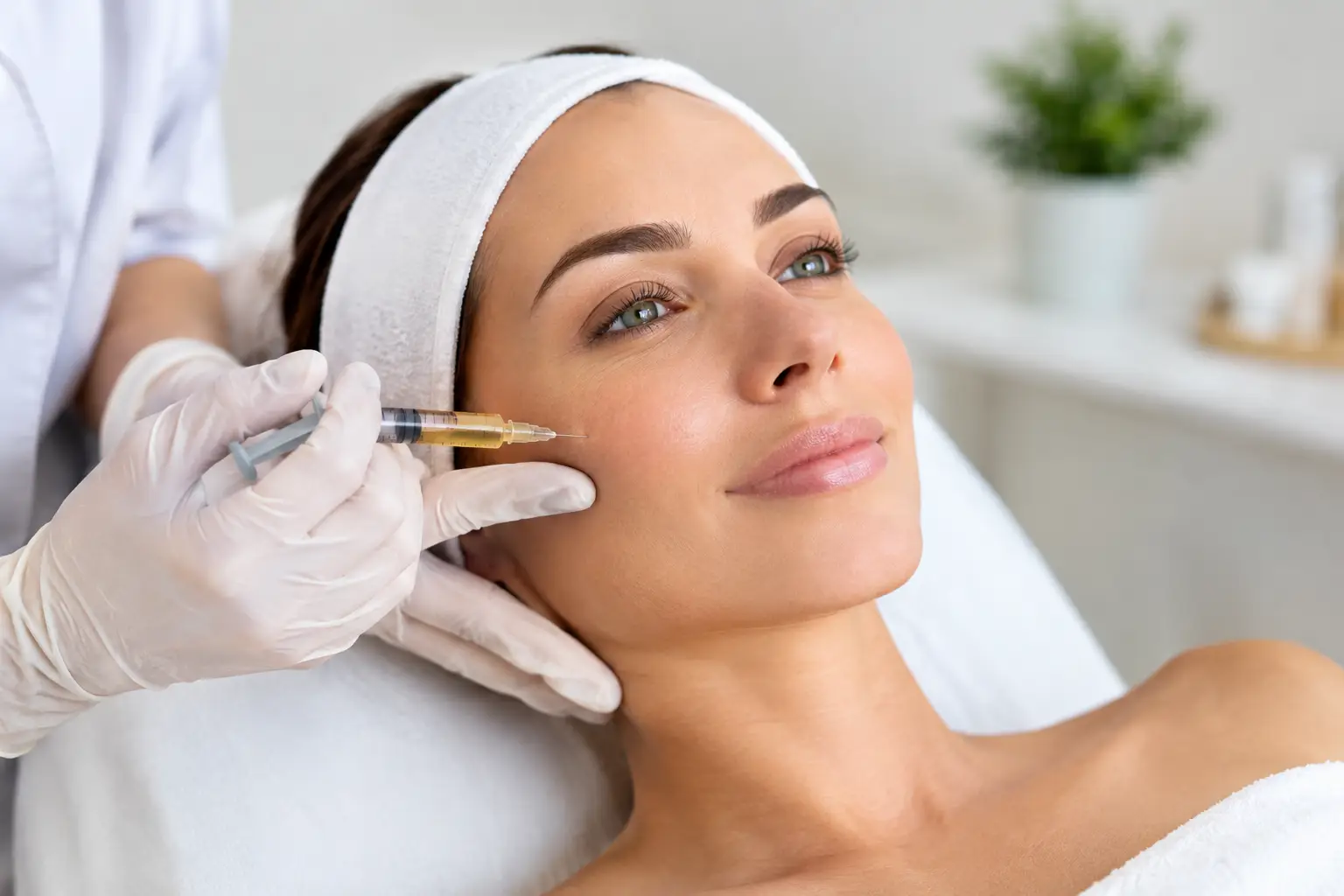
The provider may apply or inject the PRP, depending on the area being treated and the treatment plan. PRP is often paired with microneedling, which creates controlled microchannels in the skin. Those channels help trigger collagen remodeling and provide a pathway for topical PRP application. When PRP is injected, it may be used in delicate areas such as beneath the eyes or in select areas where skin quality and volume changes are concerns.
Unlike filler, PRP does not physically fill a wrinkle or create immediate volume. Unlike Botox, it does not relax muscles. Its role is to support collagen, elastin, and overall skin quality over time. That difference matters when setting realistic expectations.
What Concerns Can PRP Help Address?
PRP is commonly chosen by adults who want to improve the quality of their skin while maintaining a natural appearance. It may help improve the look of fine lines, rough texture, enlarged pores, mild laxity, sun-related dullness, acne scars, and under-eye crepiness.
Patients often appreciate that the treatment uses a component of their own blood rather than a synthetic substance. Still, “natural” does not mean every concern responds equally. Deep expression lines, significant sagging, pronounced volume loss, and deep scars may require a different treatment or a combination approach. Botox, dermal fillers, laser treatments, chemical peels, or medical-grade skincare may be better suited to specific concerns.
A thoughtful consultation should focus on what is actually changing in your skin. For example, a shadowed under-eye area may be caused by pigment, hollowing, thin skin, puffiness, or a combination of all four. PRP can support thin, crepey-looking skin in some patients, but it will not solve every cause of under-eye darkness.
What Happens During a PRP Treatment?
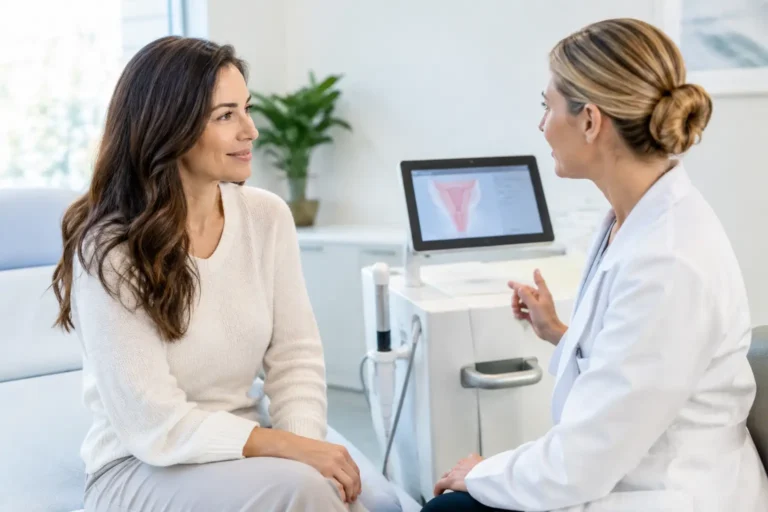
A PRP appointment begins with an assessment of your goals and the treatment areas. Your provider will review relevant medical history, medications, skin conditions, and prior aesthetic treatments. Photos may be recommended to help track subtle but meaningful improvement over time.
After the blood draw, your PRP is processed while your skin is cleansed and prepared. A topical numbing cream is commonly used for microneedling or injections to improve comfort. The treatment itself typically takes less than an hour, though appointment length can vary based on the areas treated and whether PRP is combined with another service.
With PRP microneedling, your skin may look red afterward, similar to a moderate sunburn. Mild swelling, pinpoint bleeding, tenderness, or a tight sensation can occur. Injection-based PRP can lead to temporary swelling, bruising, or soreness, especially around the under-eye area.
Most patients return to normal routines quickly, but your provider will give you individualized aftercare instructions. These commonly include avoiding makeup for a short period, limiting heat and strenuous exercise immediately after treatment, using gentle skincare, and applying daily sunscreen. Protecting treated skin from UV exposure is essential because sun exposure can worsen inflammation and undermine progress.
When Will You See Results?
PRP is not a next-day transformation. Because the treatment relies on the body’s regenerative processes, changes tend to appear gradually. Some patients notice a healthier glow or smoother texture within a few weeks, while collagen-related improvements may continue to develop over several months.
Many treatment plans include a series of sessions spaced several weeks apart. The number of sessions depends on the concern being treated, your baseline skin condition, and how your skin responds. Acne scarring or more advanced textural changes may call for a more structured series than mild dullness or early fine lines.
Results also depend on factors outside the treatment room. Sun exposure, smoking, nutrition, sleep, stress, hormonal shifts, and skincare habits all influence collagen health and skin recovery. For patients experiencing menopause-related skin dryness, thinning, or changes in elasticity, a broader wellness discussion may be worthwhile. Internal health and outward radiance are closely connected.
Is PRP Safe?
PRP has a favorable safety profile when it is performed by a qualified medical professional using proper collection, processing, and sterile technique. Since the platelet-rich plasma comes from your own blood, the risk of an allergic reaction to the PRP itself is low. However, every aesthetic procedure carries possible side effects.
Temporary redness, swelling, bruising, sensitivity, and discomfort are common. Less common risks can include infection, prolonged swelling, changes in pigmentation, or unsatisfactory results. Microneedling also requires careful technique and appropriate skin preparation, particularly for patients with a history of post-inflammatory hyperpigmentation.
PRP may not be appropriate for everyone. Active skin infections, certain bleeding or platelet disorders, uncontrolled medical conditions, and some medications may affect candidacy. Your provider may also recommend postponing treatment if you are pregnant, breastfeeding, or have a condition that could interfere with healing. Open communication about supplements, prescriptions, recent procedures, and medical diagnoses supports safer care.
How PRP Fits Into a Personalized Skin Plan
The most satisfying aesthetic results rarely come from chasing one procedure. They come from identifying the concern, choosing treatments with a clear purpose, and allowing enough time for the skin to respond.
For someone bothered primarily by forehead lines or crow’s feet, Botox may be the first step. For facial hollowing, filler or a biostimulatory treatment may be discussed. For uneven pigment or sun damage, a peel or laser approach may offer greater benefit. PRP may be ideal when the goal is improving skin texture, luminosity, and resilience, particularly when paired with microneedling.
At Bella MedSpa & Wellness Clinique, personalized care means looking beyond a single complaint. Skin aging may coexist with fatigue, sleep disruption, weight changes, menopause symptoms, or nutritional gaps that affect how you feel and how your skin looks. A provider-led plan can address aesthetic goals while supporting the whole-person wellness that helps you feel your best at every stage of life.
Questions to Ask Before Scheduling
Before choosing PRP, ask who will perform your procedure, how the PRP is prepared, whether microneedling or injections are recommended, and why that approach fits your skin. Ask about expected downtime, the likely number of sessions, total self-pay cost, and which skincare products you should pause before and after treatment.
You should also ask what results are realistic for your specific concern. A trustworthy provider will be clear about where PRP can help, where it may offer limited benefit, and when another treatment would be more effective. That honest guidance protects both your investment and your confidence.
Your face does not need to look different to look revitalized. With the right expectations, skilled technique, and a plan built around your unique skin, PRP can be a thoughtful way to support a brighter, smoother, more rested-looking complexion.