Vaginal dryness, burning, discomfort with intimacy, and urinary changes can make menopause feel far more disruptive than it needs to be. If you are asking, “how does MonaLisa Touch work,” you are likely looking for a discreet, nonhormonal option that addresses these changes at the tissue level rather than simply masking them.
MonaLisa Touch is an in-office fractional CO2 laser treatment designed to support vaginal tissue health. It may be considered for women experiencing symptoms associated with genitourinary syndrome of menopause, often called GSM. This common condition can occur as estrogen declines during perimenopause and menopause, affecting the vagina, vulva, and urinary tract.
How Does MonaLisa Touch Work?
MonaLisa Touch uses controlled fractional CO2 laser energy to create tiny, precisely placed microchannels in vaginal tissue. The treatment does not remove large areas of tissue. Instead, it delivers energy in a patterned way, leaving surrounding tissue intact to support the body’s natural healing response.
That response may stimulate collagen remodeling and encourage healthier tissue turnover. Over time, the vaginal lining may become more hydrated, elastic, and resilient. For women whose tissue has become thinner, drier, or more sensitive due to lower estrogen, these changes may help improve comfort and sexual wellness.
The laser energy is delivered through a slim, sterile applicator placed gently inside the vaginal canal. Depending on your concerns, a provider may also treat external vulvar tissue. The procedure is typically brief, often taking only a few minutes after preparation.
MonaLisa Touch is not hormone therapy, and it does not raise estrogen levels. That distinction can matter for women who prefer a nonhormonal approach or who need to discuss hormonal treatments carefully with their medical team. Still, nonhormonal does not mean one-size-fits-all. The right treatment depends on your symptoms, medical history, goals, and the findings of a personalized evaluation.
Why Menopause Can Change Vaginal Tissue
Estrogen helps maintain the thickness, blood flow, moisture, elasticity, and healthy pH of vaginal tissue. When estrogen declines, the tissue can become thinner and less flexible. Natural lubrication may decrease, and irritation can become more common.
These changes are not merely cosmetic or something you should be expected to tolerate. They can affect intimacy, exercise, sleep, confidence, and everyday comfort. Some women notice pain with penetration or dryness that does not improve enough with over-the-counter moisturizers. Others experience recurrent urinary urgency, burning, or discomfort that feels similar to a urinary tract infection.
Symptoms can vary widely. A woman in early perimenopause may notice subtle dryness, while someone years beyond menopause may have more significant tissue changes. Certain cancer treatments, breastfeeding, surgical menopause, and medications may also contribute to vaginal dryness and discomfort.
MonaLisa Touch is intended to support the quality of vaginal tissue. It is not a treatment for every cause of pelvic pain, urinary symptoms, bleeding, infection, or sexual discomfort. A thorough assessment helps rule out concerns that require different medical care.
What a MonaLisa Touch Appointment Feels Like
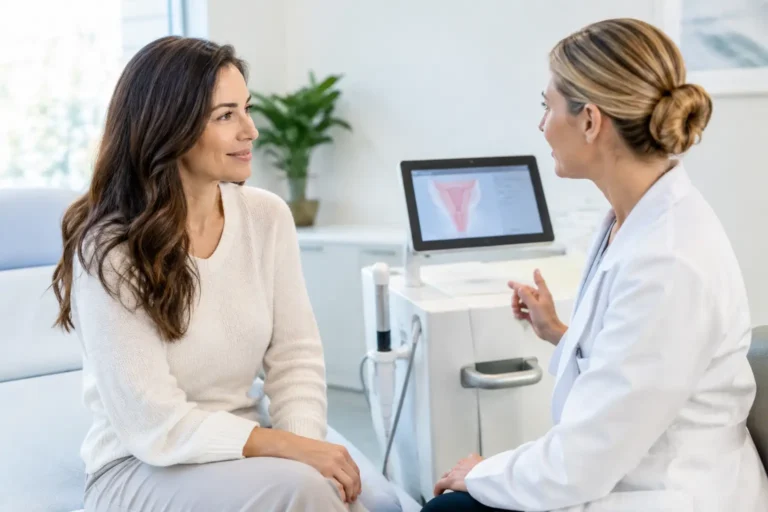
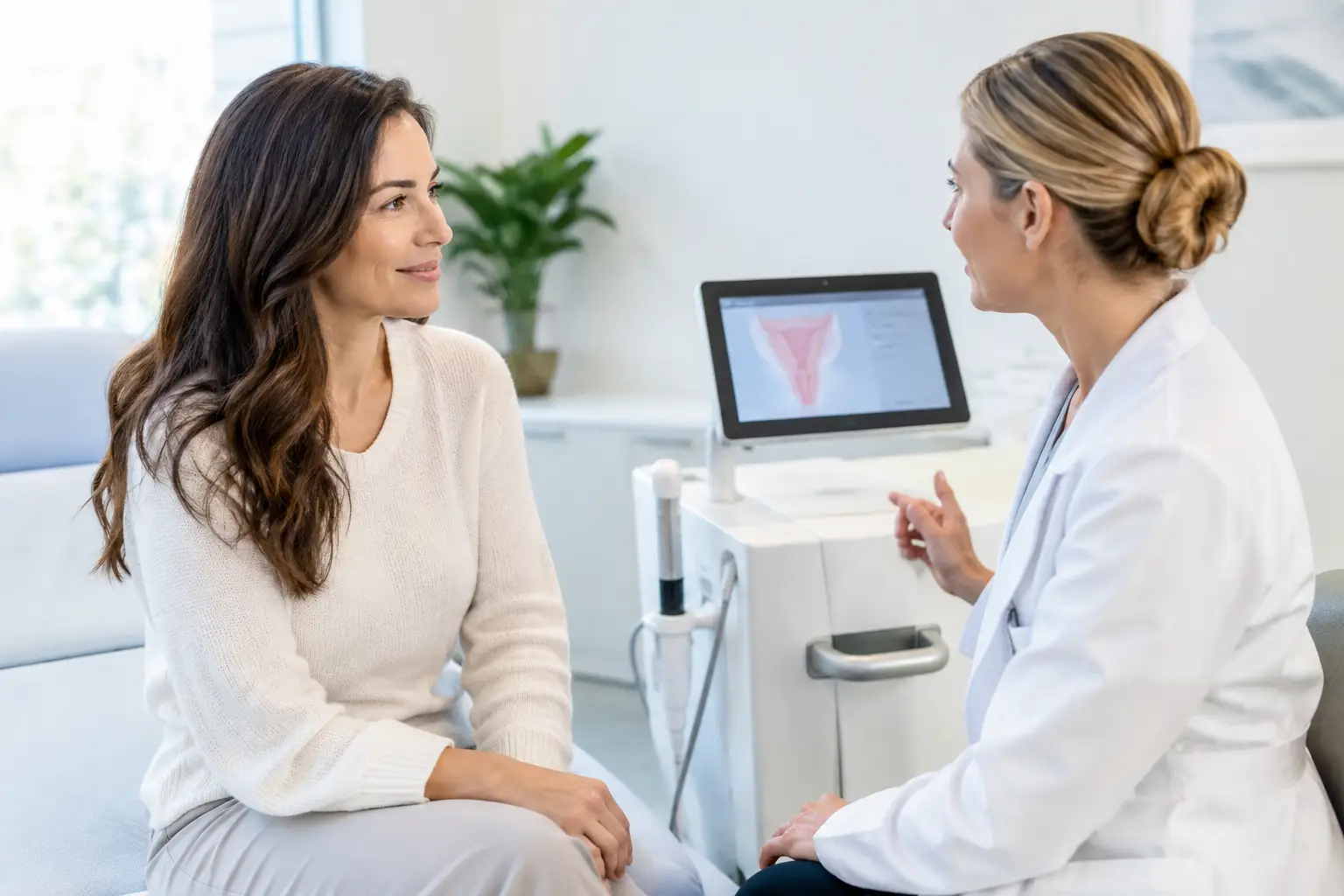
Before treatment, your provider should review your symptoms, health history, medications, menopausal status, and prior treatments. A pelvic assessment may be appropriate to determine whether laser therapy is a reasonable option and to identify any infection, unexplained bleeding, active lesions, or other conditions that should be treated first.
During the procedure, most patients describe a mild warming, vibration, or brief prickling sensation. For many women, anesthesia is not required. If you are especially sensitive or anxious about the appointment, ask your provider how comfort measures are handled.
Afterward, there is usually little to no downtime. Mild warmth, tenderness, light spotting, or watery discharge can occur temporarily. Your provider may recommend avoiding sexual intercourse, tampons, swimming, or strenuous activity for a short period while the tissue recovers. Follow the specific aftercare instructions you receive, since recommendations can differ based on the treatment area and your individual needs.
A common initial plan includes a series of treatments spaced several weeks apart, followed by maintenance as appropriate. The number of sessions is not identical for every patient. Symptom severity, tissue response, hormone status, and personal goals all influence the plan.
When Will You Notice Results?
Some women report improved moisture or comfort after the first session, but tissue remodeling takes time. Improvements are generally gradual, with results becoming more noticeable over the weeks following a treatment series.
It is helpful to define success in practical terms before beginning. For one woman, success may mean less irritation during the day. For another, it may mean greater comfort during intimacy, fewer episodes of dryness, or improved confidence in her body. A provider can help set expectations that are realistic for your starting point.
Results also vary. MonaLisa Touch may be most helpful as one part of a larger vaginal wellness plan that can include vaginal moisturizers, lubricants, pelvic floor therapy, lifestyle guidance, or carefully selected hormone-based treatment when medically appropriate. At Bella MedSpa & Wellness Clinique, care begins with listening to the symptoms that are affecting your quality of life and building a plan around your health history and goals.
Is MonaLisa Touch Safe and Right for You?
MonaLisa Touch uses a medical CO2 laser platform, but laser treatment is still a medical procedure and should be performed by a properly trained clinician after an individualized evaluation. Potential side effects may include temporary redness, swelling, discomfort, spotting, discharge, or irritation. More significant complications are uncommon but can include burns, infection, scarring, or worsening pain.
It is also important to have an honest conversation about the evidence. Some women report meaningful symptom relief after vaginal laser treatment, and studies suggest potential benefits for vaginal dryness and related menopausal symptoms. However, research quality and long-term data remain variable. The FDA has cautioned against marketing energy-based devices as proven treatments for “vaginal rejuvenation” or menopausal symptoms without appropriate clearance or evidence for those specific claims.
That does not mean your symptoms are not real or that you have no options. It means you deserve clear information, appropriate screening, and a provider who discusses benefits, limitations, alternatives, costs, and follow-up rather than making guarantees.
You may need a different approach if you are pregnant, have an active vaginal or urinary infection, have unexplained vaginal bleeding, or have certain skin conditions or healing concerns. Women with a history of gynecologic cancer, pelvic radiation, or hormone-sensitive cancer should coordinate decisions with the specialists involved in their care. Depending on the situation, local vaginal estrogen, non-estrogen prescription options, lubricants, moisturizers, pelvic floor therapy, or other treatments may be more suitable.
MonaLisa Touch and Hormone Therapy
For some patients, vaginal laser therapy and hormone optimization are separate conversations. For others, they can be complementary parts of a broader menopause-care strategy. Systemic hormone therapy may help symptoms such as hot flashes, sleep disruption, mood shifts, and generalized menopausal changes, while local vaginal therapies may target tissue-specific concerns.
There is no universal “best” option. A woman with significant hot flashes and vaginal dryness may need a different plan than someone whose primary concern is discomfort with intimacy and who cannot or does not wish to use estrogen. Lab-guided care, medical history, and ongoing monitoring can help clarify the safest path forward.
Questions Worth Asking at Your Consultation
Ask what symptoms the treatment is expected to address in your case, how many sessions may be recommended, what recovery looks like, and what results are realistic. You should also ask about the clinician’s experience, total self-pay cost, maintenance recommendations, potential risks, and alternatives.
If a provider promises permanent results, guaranteed sexual improvement, or a cure for every urinary concern, pause and ask for more clarity. Personalized wellness care should feel empowering, not pressured.
Vaginal changes can be personal, but they should never be a source of silence or shame. A thoughtful consultation can help you understand what is happening in your body, weigh treatment options with confidence, and choose care that supports comfort, intimacy, and feeling your best at every stage of life.