Acne may be temporary, but the marks it leaves behind can affect how you feel every time you look in the mirror. Microneedling for acne scars is a clinically guided treatment that can help improve skin texture, soften indented scars, and support a more even, refreshed-looking complexion without requiring extensive downtime.
The right plan is never one-size-fits-all. Your skin tone, active acne status, scar type, medical history, and goals all influence whether microneedling is the best next step and how your treatment should be designed. With realistic expectations and professional guidance, this collagen-stimulating treatment can be a meaningful part of your path toward clearer-looking, more confident skin.
How Microneedling for Acne Scars Works
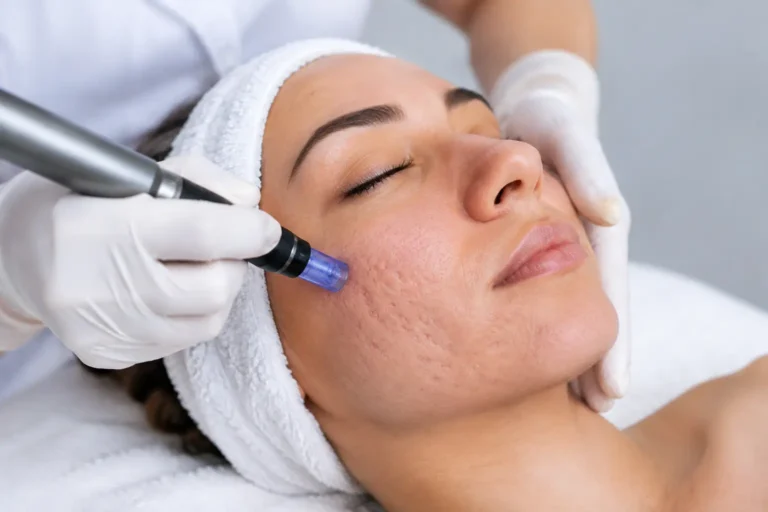
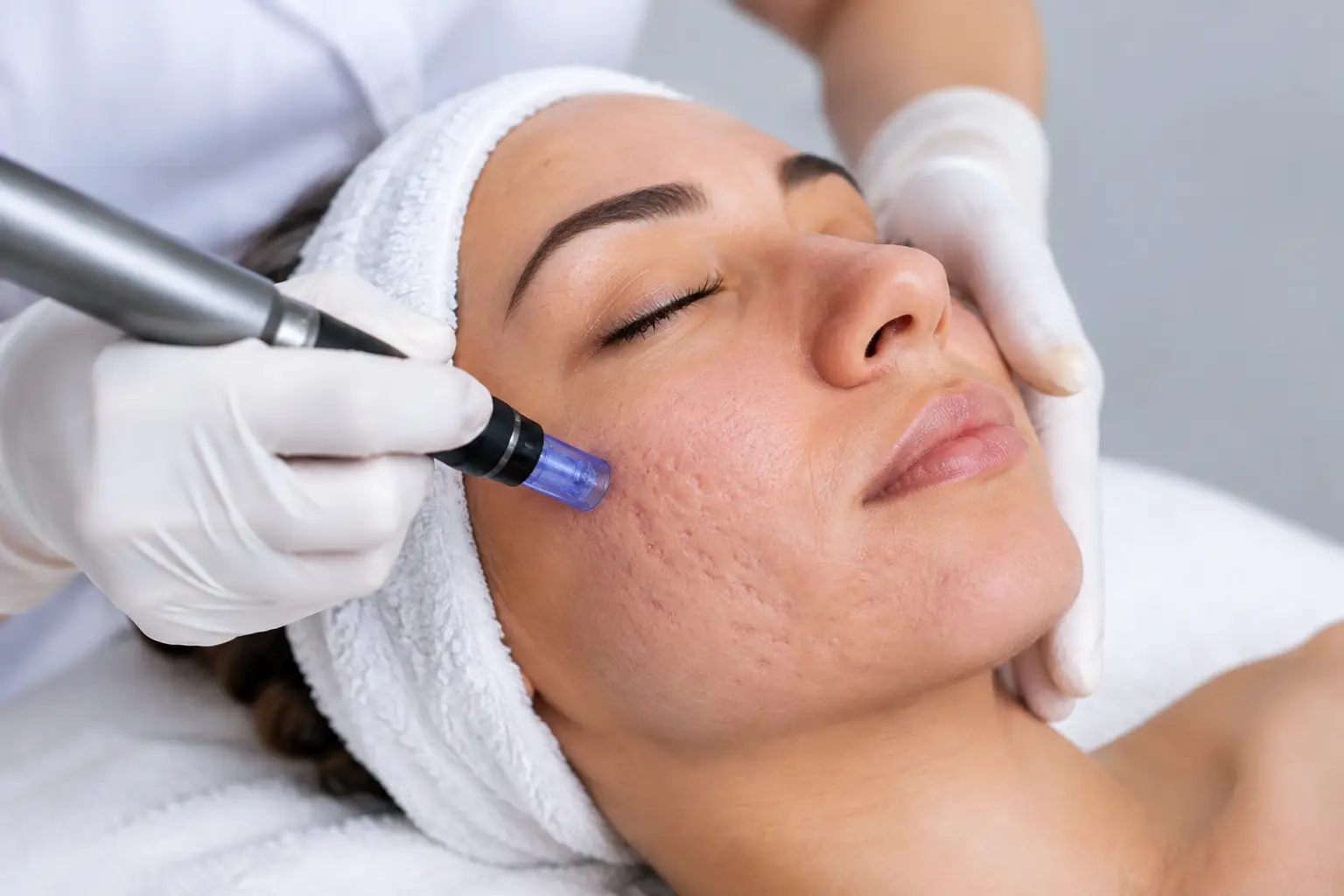
Microneedling uses a medical device with very fine, sterile needles to create controlled microchannels in the skin. These tiny openings trigger the body’s natural repair response, encouraging the production of collagen and elastin. Collagen is one of the proteins that helps give skin its structure, firmness, and smooth appearance.
Acne scars form when inflammation from breakouts damages the skin’s supporting collagen. In depressed scars, the healing process does not replace that lost support evenly, leaving a pitted or uneven texture. By prompting controlled remodeling over time, microneedling can help improve the appearance of these scars from within rather than simply covering them at the surface.
The process is gradual. Skin needs time to build and reorganize collagen, so changes typically develop over several weeks and continue to evolve between treatments. Many patients notice a brighter, smoother feel first, followed by progressive improvement in texture.
Which Acne Scars Respond Best?
Microneedling is often a strong option for atrophic acne scars, which are indented scars that sit below the surrounding skin. This includes many rolling scars and some boxcar scars. These scars can become less noticeable as collagen support improves.
Deep, narrow ice-pick scars may need another approach, such as targeted scar treatment, before or alongside microneedling. Raised scars, including keloids, require particular caution and should be evaluated by a qualified medical provider before any procedure that intentionally stimulates healing.
It also helps to distinguish scars from post-inflammatory hyperpigmentation. The flat brown, red, or purple marks left after acne are common, especially in deeper skin tones, but they are not always true scars. Microneedling may support overall skin renewal, yet discoloration often responds best when a treatment plan also includes sun protection and carefully selected medical-grade skincare, chemical peels, laser options, or other provider-recommended therapies.
Is This Treatment Right for Your Skin?
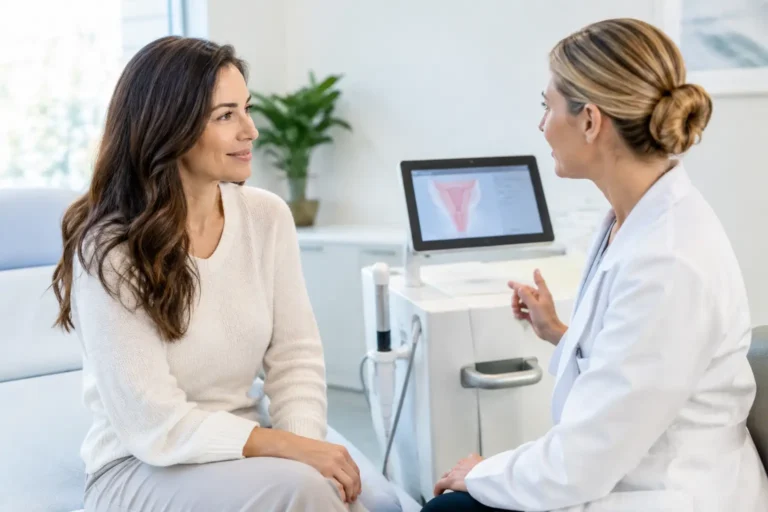
A consultation is the most valuable first step because acne scarring is rarely identical from one person to the next. Your provider should examine the shape, depth, and location of scars, as well as assess your skin’s current health. The goal is not simply to perform a procedure. It is to choose the treatment that best supports visible improvement while respecting your skin’s needs.
You may be a good candidate if your acne is controlled, you have indented scars or uneven texture, and you are willing to follow a treatment series and aftercare instructions. Adults of many skin types can be candidates when treatment is properly selected and performed by a trained professional.
Microneedling may need to be postponed if you have an active acne flare, a skin infection, open lesions, a current cold sore outbreak in the treatment area, or certain inflammatory skin conditions. Tell your provider about medications, a history of abnormal scarring, blood-thinning medications, pregnancy or breastfeeding, and recent cosmetic procedures. These details help protect your safety and guide the right timing.
What Happens During a Microneedling Appointment?
Before treatment, your skin is cleansed and a topical numbing cream is generally applied to improve comfort. Once the skin is prepared, the provider moves the microneedling device across the treatment area using a depth and technique selected for your skin and scar pattern.
Most appointments are efficient, though the total visit time includes numbing and post-treatment care. You may feel pressure, vibration, or a prickling sensation during the procedure. Afterward, it is normal for skin to appear pink to red and feel warm, similar to a mild-to-moderate sunburn.
At Bella MedSpa & Wellness Clinique, treatment planning can also consider the broader factors that affect your skin and confidence, including stress, sleep, nutrition, inflammation, and wellness goals. A personalized approach helps ensure that aesthetic care feels connected to how you want to feel in your everyday life.
How Many Treatments Will You Need?
Most people need a series rather than a single session for acne scars. A common plan may include three to six treatments spaced roughly four to six weeks apart, but deeper scarring can require more sessions or a combination approach. Your provider may adjust the schedule based on how your skin responds.
Results depend on several factors: the type and severity of scarring, your natural collagen response, the presence of ongoing acne, sun exposure, smoking, skincare habits, and whether additional treatments are appropriate. Microneedling can create meaningful improvement, but it does not promise perfectly poreless or scar-free skin. That distinction matters. A thoughtful plan aims for healthier-looking texture and visible progress, not an unrealistic filter effect.
For certain scars, pairing microneedling with platelet-rich plasma, chemical peels, laser treatments, or targeted scar procedures may provide a more complete result. Combination care can be helpful, but more treatment is not automatically better. The safest, most effective plan is based on your skin assessment and recovery needs.
Recovery and Aftercare Matter
The microchannels created during treatment close quickly, but your skin remains temporarily sensitive. Expect redness for one to three days, although this varies with treatment depth and individual skin sensitivity. Mild swelling, tightness, dryness, or light flaking can also occur.
For the first day, keep skincare simple and follow your provider’s instructions closely. Avoid makeup, strenuous exercise, saunas, hot tubs, swimming pools, and products containing exfoliating acids, retinoids, or other potentially irritating ingredients until your skin has recovered. Do not pick or scrub flaking skin.
Daily broad-spectrum sunscreen is essential, particularly for patients prone to hyperpigmentation. Freshly treated skin is more vulnerable to sun-related discoloration, and consistent protection helps preserve the progress you are working toward. Gentle cleansing, hydration, and patience will support a comfortable recovery.
Why Professional Care Makes a Difference
At-home rollers may sound convenient, but they cannot provide the same controlled depth, sterile technique, customized settings, or medical assessment as an in-office procedure. Reusing or improperly cleaning a device can raise the risk of irritation and infection. Aggressive treatment at the wrong depth can also worsen inflammation or pigment concerns.
Professional microneedling begins with judgment, not just a device. An experienced provider can recognize when active acne should be treated first, when discoloration needs a different approach, and when a scar pattern calls for combination care. That clinical perspective is especially valuable for patients with melanin-rich skin, a history of post-inflammatory hyperpigmentation, or concerns about sensitivity.
Your skin has already done the hard work of healing through acne. Now it deserves a plan that respects that process. A personalized consultation can help you understand your scar type, set achievable goals, and move forward with care that supports smoother-looking skin and renewed confidence at every stage of life.