Forehead lines can make you look worried, tired, or stressed even when you feel energized and well. Botox for forehead wrinkles can soften these expression lines without changing who you are. The goal is not a frozen forehead. It is a refreshed, natural-looking result that helps your outer appearance reflect how confident and vibrant you feel.
Why forehead wrinkles form
Most forehead wrinkles begin as dynamic lines, meaning they appear when you lift your eyebrows, squint, or make other facial expressions. Repeated muscle movement gradually folds the skin in the same places. Over time, those temporary lines can become visible even when your face is at rest.
Skin changes also play a role. Collagen and elastin production naturally slow with age, and sun exposure, genetics, smoking, dehydration, stress, and hormonal shifts can all affect skin quality. For many women, perimenopause and menopause can bring noticeable changes in skin thickness, hydration, and elasticity. This does not mean wrinkles are inevitable or that every line needs treatment. It simply means your care plan should consider both the movement beneath the skin and the health of the skin itself.
How Botox for forehead wrinkles works
Botox is a prescription neuromodulator. When precisely injected into selected facial muscles, it temporarily reduces the muscle activity that causes certain expression lines. As those muscles relax, the skin above them has an opportunity to look smoother.
Forehead treatment requires more nuance than many people realize. The frontalis muscle lifts the eyebrows, while muscles between and around the brows pull them downward or inward. Treating the forehead without evaluating the brow area can create an overly heavy appearance in some patients. A trained medical provider assesses your resting brow position, facial anatomy, muscle strength, eyelid shape, and expression patterns before deciding where to place product and how much to use.
That personalized approach matters. Someone with strong forehead movement and deep etched lines may need a different plan than someone seeking a subtle softening for early fine lines. The right dosage is not about giving everyone the same number of units. It is about creating balance.
What a natural result looks like
A well-planned treatment should allow you to look like yourself. You may still be able to move your brows and show expression, just with less forceful creasing. Some patients prefer more movement for a softer, highly expressive look. Others prefer a smoother forehead with more reduction in visible lines. Both preferences can be appropriate when discussed openly during your consultation.
Botox can be especially helpful for horizontal forehead lines and the vertical “11 lines” between the brows. It may improve fine lines at rest, but deeply established creases may not disappear completely after one appointment. In those cases, your provider may recommend an ongoing treatment schedule along with supportive skin care or complementary aesthetic services that address texture, collagen support, and overall skin quality.
The most satisfying results often come from a plan that respects your face rather than chasing an unrealistic filter. Small, thoughtful adjustments can create a rested look while preserving the expressions that make you recognizable.
What happens during the appointment
Your visit begins with a conversation about what you see in the mirror and what you hope to change. Your provider may ask about previous injectable treatments, medications and supplements, allergies, pregnancy status, medical conditions, and any history of eyelid drooping or facial asymmetry. This information helps guide safe treatment.
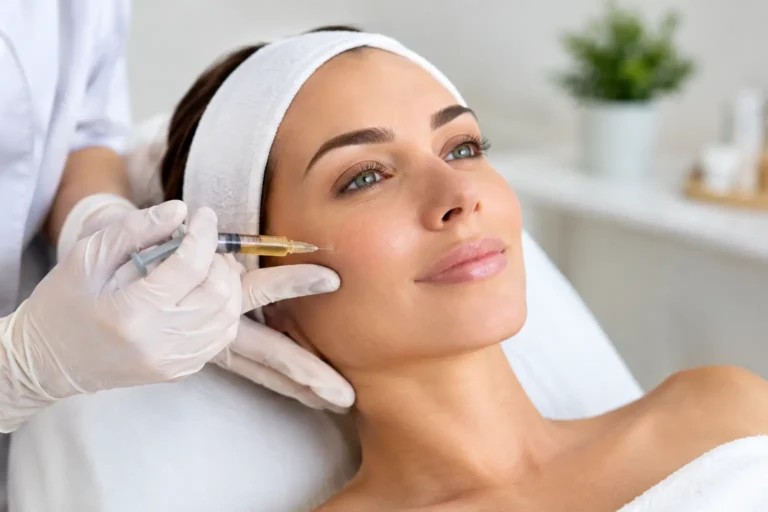
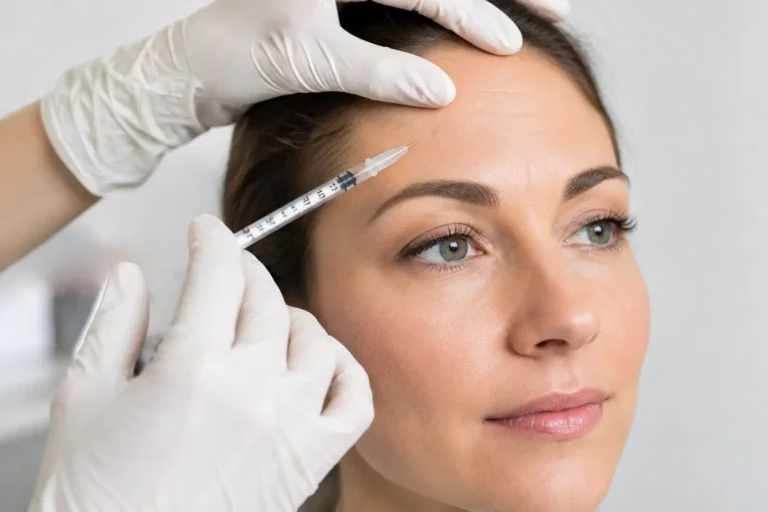
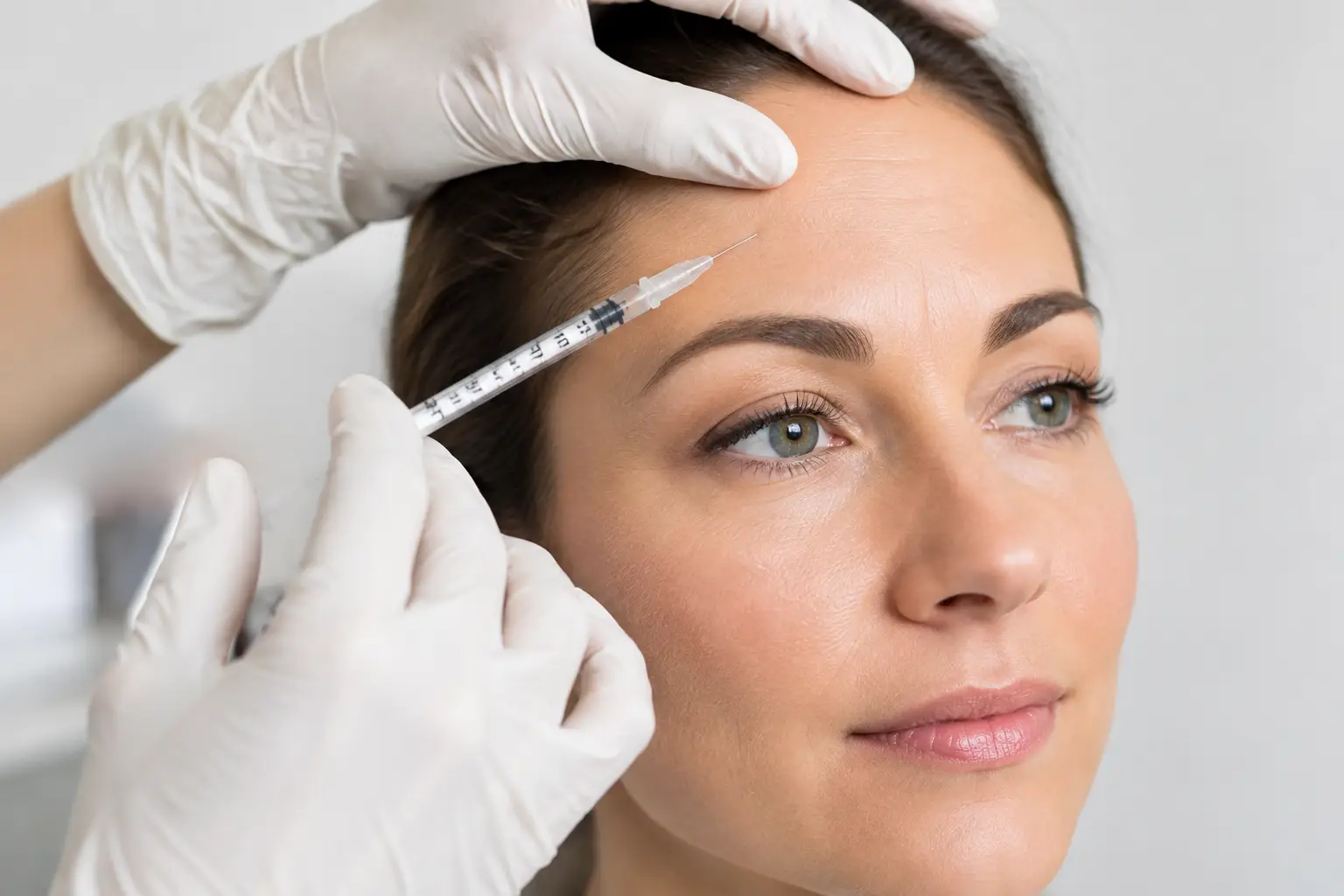
The injection process itself is quick. After your facial movements are assessed, the provider uses a very fine needle to place small amounts of product into targeted muscles. Most patients describe the sensation as a brief pinch. There is typically no downtime, so many people return to work or daily activities afterward.
You may have small raised bumps or pinpoint redness at the injection sites for a short time. Bruising is possible, particularly if you are prone to bruising or take medications or supplements that affect clotting. Your provider will give you individualized aftercare instructions, which commonly include avoiding rubbing or massaging the treatment area and postponing strenuous exercise for a short period.
When you will see results
Botox does not work instantly. Many patients begin noticing a change within three to seven days, with full results typically visible around 10 to 14 days. This timeline is one reason a follow-up assessment can be valuable, especially when you are new to treatment or working toward a very natural outcome.
Results commonly last about three to four months, although this varies. Your metabolism, muscle strength, dosage, treatment history, and lifestyle can influence how long the effect lasts. Consistent treatments may help some patients maintain a smoother appearance over time, but appointments should be based on your individual response and goals rather than a rigid calendar.
Safety and candidacy matter
Botox is widely used in aesthetic medicine, but it is still a medical treatment. It should be administered by a qualified, properly trained provider who understands facial anatomy and can evaluate whether it is appropriate for you.
You may need to postpone or avoid treatment if you are pregnant or breastfeeding, have an active skin infection at the planned injection site, have certain neuromuscular conditions, or have had a previous allergic reaction to a botulinum toxin product. Be transparent about all medications, vitamins, and supplements you take. This includes blood thinners, anti-inflammatory medications, fish oil, and herbal products, as they may affect bruising risk. Never stop prescribed medication without guidance from the clinician who manages it.
Possible side effects can include temporary redness, swelling, tenderness, headache, bruising, asymmetry, or an undesired change in brow position. Eyelid or brow heaviness is uncommon but possible, particularly when injections are not tailored to a person’s anatomy. Choosing an experienced medical provider and following aftercare guidance can help reduce avoidable risks, although no procedure is completely risk-free.
Botox is only one part of skin aging care
Injectables can relax the movement that creates forehead lines, but they do not replace daily sun protection or healthy skin habits. Broad-spectrum sunscreen, a well-chosen home regimen, adequate hydration, sleep, nutrition, and avoiding tobacco all support skin health. For patients navigating hormonal changes, addressing concerns such as fatigue, sleep disruption, or shifting body composition may also be part of feeling more like themselves.
At Bella MedSpa & Wellness Clinique, aesthetic care can be considered within the bigger picture of your wellness goals. A personalized consultation can help determine whether Botox alone is the right option or whether you may benefit from a plan that also supports skin texture, collagen production, hydration, and confidence from the inside out.
Questions to ask before treatment
Before scheduling Botox for forehead wrinkles, ask who will perform your treatment, how they evaluate brow position and muscle movement, what result is realistic for your existing lines, and when you should return for assessment. You should also feel comfortable stating what you do not want. If you are worried about looking frozen, losing brow movement, or having a heavy brow, say so directly.
Clear communication is part of good aesthetic medicine. Bring photos of yourself from a few years ago if they help you explain the look you miss, but remember that your face, skin, and goals may have changed. Your treatment should meet you where you are now.
A thoughtful Botox plan can soften the lines that no longer feel like you, while leaving room for every smile, raised eyebrow, and expression that makes your face your own.