Vaginal dryness after menopause treatment can feel confusing, especially when you expected treatment to make menopause symptoms disappear. You may have fewer hot flashes or sleep better, yet still experience burning, irritation, painful intimacy, or a new sense of tightness. These symptoms are real, common, and treatable. They also deserve a thoughtful conversation rather than a one-size-fits-all recommendation.
For many women, vaginal symptoms are part of genitourinary syndrome of menopause, often called GSM. This term describes the changes that can affect the vagina, vulva, bladder, and urinary comfort as estrogen levels decline. With personalized care, many women can restore comfort, confidence, and a more satisfying intimate life.
Why dryness may continue after menopause treatment
Menopause treatment is not a single therapy. It may involve systemic hormone therapy, lifestyle changes, nonhormonal symptom support, or treatments aimed at one specific concern. The reason your vaginal dryness continues often depends on what treatment you are using, how you are using it, and what your tissues need.
Systemic estrogen therapy, taken by pill, patch, gel, spray, or pellet-based care when clinically appropriate, may improve vaginal dryness for some women. But it does not provide the same degree of direct vaginal support for everyone. Vaginal tissue can remain thin, less elastic, and less naturally lubricated even when other menopause symptoms improve.
If you are using testosterone therapy, it may support energy, body composition, or libido in carefully selected patients, but it is not a standalone treatment for estrogen-related vaginal tissue changes. Desire and comfort are related, but they are not the same. A woman may feel more interested in intimacy and still need treatment for dryness or discomfort.
Timing matters, too. Healing vaginal tissue changes can take weeks to months. Symptoms may also worsen during times of stress, with certain medications, after recurrent urinary tract infections, or when sexual activity has become uncomfortable enough that you begin avoiding it. Avoidance is understandable, but less regular vaginal stretching and arousal can sometimes contribute to ongoing tightness and sensitivity.
Vaginal dryness after menopause treatment is not just a sex concern
Dryness is often discussed only in the context of intercourse, but its effects can extend well beyond intimacy. Some women notice itching, burning, irritation with exercise, discomfort when wearing fitted clothing, urinary urgency, frequent urination, or burning that feels similar to a urinary infection.
These symptoms can affect confidence and daily comfort. They can also place strain on a relationship when pain becomes something you brace for rather than discuss. There is no need to accept this as an unavoidable part of aging or assume that your current treatment plan is your only option.
That said, not every genital symptom is caused by menopause. Yeast infections, bacterial infections, dermatologic conditions, pelvic floor tension, urinary infections, allergic reactions to products, and certain vulvar conditions can cause similar discomfort. New bleeding after menopause, sores, unusual discharge, severe pelvic pain, or persistent itching should be evaluated promptly rather than self-treated as dryness.
Treatments that may help restore comfort
The right plan begins with a clinical review of your symptoms, health history, medications, current hormone therapy, and personal goals. A provider may recommend one option or a combination, depending on whether your priority is everyday comfort, urinary symptoms, pain with penetration, libido concerns, or all of the above.
Vaginal moisturizers and lubricants
A quality vaginal moisturizer used on a regular schedule can improve day-to-day comfort by helping tissues retain moisture. It is different from a lubricant, which is used before sexual activity to reduce friction. For intercourse, many women prefer a water- or silicone-based lubricant that is fragrance-free and formulated for sensitive tissue.
These products can be helpful, particularly for mild symptoms, but they do not reverse the underlying estrogen-related thinning that occurs with GSM. They may be enough for some women and a useful addition to medical treatment for others. Avoid scented washes, douches, and products that create warming or tingling sensations, since they can worsen irritation in already sensitive tissue.
Local vaginal hormone therapy
Low-dose vaginal estrogen is often considered when dryness, burning, painful sex, or urinary symptoms are moderate to severe. Available forms may include a cream, tablet, insert, or ring. Because the medication is applied locally, it is designed to support vaginal and urinary tissues directly.
For many patients, local therapy is highly effective, but candidacy is personal. Women with a history of certain hormone-sensitive cancers, unexplained vaginal bleeding, blood-clotting concerns, or complex medical histories should make this decision with the clinicians involved in their care. Your provider can explain potential benefits, alternatives, and appropriate monitoring.
Other prescription options may be considered in certain situations, including non-estrogen local therapies or medications used for painful intercourse related to menopause. The best choice depends on your symptoms, preferences, cost considerations, and medical history.
Vaginal laser treatment
Some women want a nonhormonal option or additional support for ongoing tissue discomfort. MonaLisa Touch vaginal laser therapy is an in-office treatment designed to support vaginal tissue health through controlled laser energy. It may be considered for women experiencing menopausal dryness, irritation, laxity concerns, or discomfort with intimacy.
Results and candidacy vary. Laser therapy is not a substitute for evaluating bleeding, infection, pelvic pain, or other unexplained symptoms, and it should not be presented as a universal cure. A qualified clinician should review your goals, perform an appropriate assessment, and explain what the treatment experience, cost, expected results, and maintenance may involve.
Whole-person hormone and wellness support
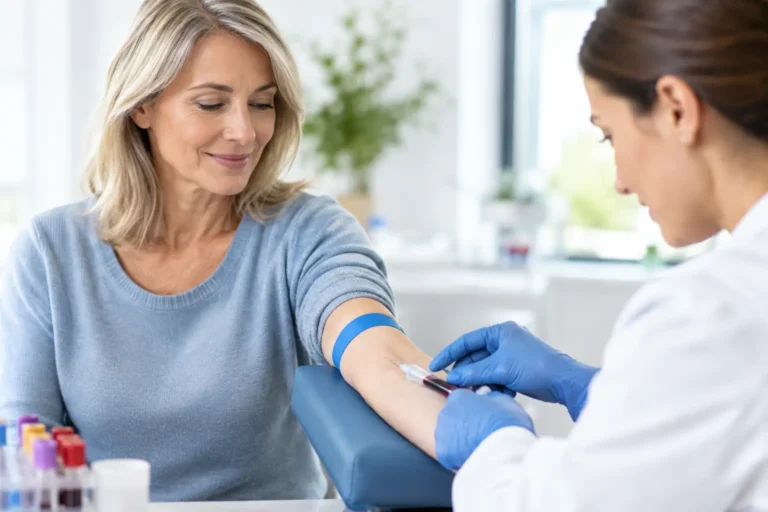
When vaginal dryness appears alongside hot flashes, disrupted sleep, mood changes, fatigue, weight changes, and low libido, a broader menopause evaluation may make sense. Lab-guided, provider-supervised care can help determine whether hormone optimization is appropriate and whether your current plan needs adjustment.
Hormones are only one part of the picture. Hydration, pelvic floor health, stress, sleep, medication review, and relationship concerns can all influence sexual comfort. If pelvic muscles are tense because you have anticipated pain, pelvic floor physical therapy may be a valuable part of care. A thoughtful plan should meet you where you are rather than treat one symptom in isolation.
What to expect when you seek care
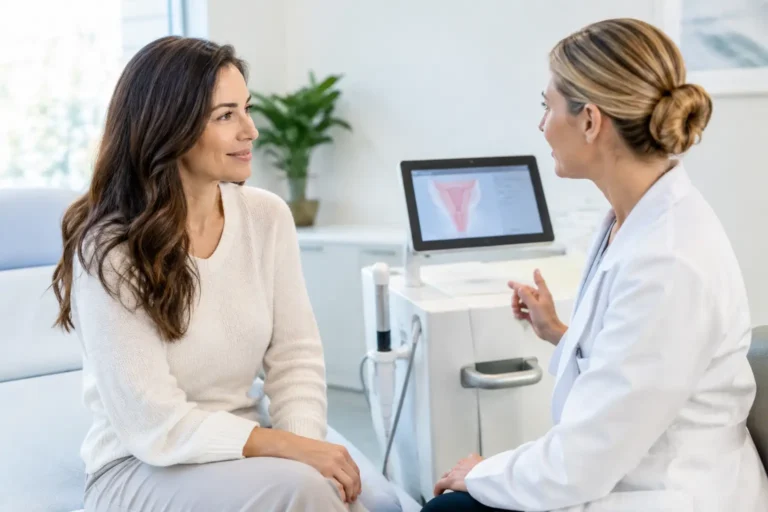
A productive visit should feel respectful, private, and practical. Your provider may ask when symptoms began, whether dryness is constant or tied to intercourse, what menopause treatments you currently use, and whether you have urinary symptoms or bleeding. Depending on your concerns, an exam may be recommended to assess tissue changes and rule out other causes of discomfort.
Be prepared to share your personal and family health history, especially any history of breast, uterine, or ovarian cancer; blood clots; liver disease; unexplained bleeding; or prior pelvic surgery. This information does not automatically rule out every treatment, but it guides safer decisions.
At Bella MedSpa & Wellness Clinique, menopause and vaginal wellness care can be approached as part of a personalized plan, with transparent self-pay options and provider-led guidance. For Florida patients, telehealth may be useful for initial hormone and wellness discussions, while some services and examinations require an in-office visit.
Small habits that support vaginal comfort
Daily choices cannot replace medical care when symptoms are significant, but they can reduce irritation. Choose breathable cotton underwear, change out of wet workout clothes promptly, and wash the vulvar area gently with water or a mild, fragrance-free cleanser. The vagina cleans itself, so internal cleansing and douching are unnecessary and may disrupt its natural environment.
During intimacy, allow more time for arousal and use lubrication generously. If penetration is painful, do not push through the pain. Continuing can reinforce muscle tension and make future experiences more difficult. Pausing, communicating openly, and addressing the cause of discomfort is a stronger path forward.
Vaginal dryness is not a personal failure, and it does not mean you have to choose between menopause treatment and feeling comfortable in your body. The next helpful step is a candid clinical conversation about what is still bothering you, what has changed, and what kind of relief would make the biggest difference in your daily life.